#1 Buccal Massage in Los Angeles, CA
Buccal Massage
Being the first to offer Buccal Massage in California since 2016, here at Via Skincare, we’ve not only pioneered the practice but also mastered it to perfection.
Buccal or Intraoral Massage is a highly effective way to relieve jaw pain, discomfort associated with TMJ dysfunction, and headaches by targeting the muscles in your cheeks and face. It provides a relaxing experience that promotes healing and overall wellness.
For a clear answer to what is buccal massage, including how it works, who it may help, whether it hurts, and what to expect during your first session, read our complete beginner’s guide.
If you are deciding between therapeutic jaw work and broader facial-lifting goals, our guide to buccal massage for TMJ vs. facial sculpting explains which treatment may be the better fit.
A welcomed bonus of Buccal Massage is its potential for a ‘natural face lift.’ Thanks to improved circulation, enhanced skin texture, and balanced muscle tone, it can leave you with a revitalized appearance.
Conditions Buccal Massage Can Address:
- Headaches
- Tinnitus (ringing in the ears)
- Dizziness
- Facial pain
- Swelling on the face’s side
- Earaches
- Sleep disturbances
- Difficulty in swallowing or speaking
- Neck and shoulder discomfort
Achievable Benefits:
Pain relief: Buccal Massage aids in releasing tension within facial and cheek muscles, reducing discomfort linked to conditions like TMJ and tension headaches.
Enhanced range of motion: By relieving tension in these muscles, it improves jaw flexibility and movement.
Increased circulation: Buccal Massage boosts facial and cheek circulation, supporting healing and reducing inflammation.
Wrinkle reduction: Through enhanced circulation, it diminishes wrinkles, revitalizing your appearance.
Stress relief: Buccal Massage offers a relaxing and rejuvenating experience, reducing stress and enhancing overall well-being.
For a closer look at the connection between stress, clenching, and facial tension, read our guide to how stress affects the jaw and face.
What to expect During Your Session:
Consultation: Your session will begin with a discussion about your specific concerns and any medical history related to your jaw or facial issues.
Preparation: You’ll be asked to lay down comfortably on a massage table. Your practitioner will ensure you’re relaxed and positioned correctly.
Gloves: The practitioner will wear protective gloves to maintain cleanliness and hygiene during the intraoral part of the massage.
External Massage: The session starts with a neck and shoulder massage to warm up the muscles and promote relaxation.
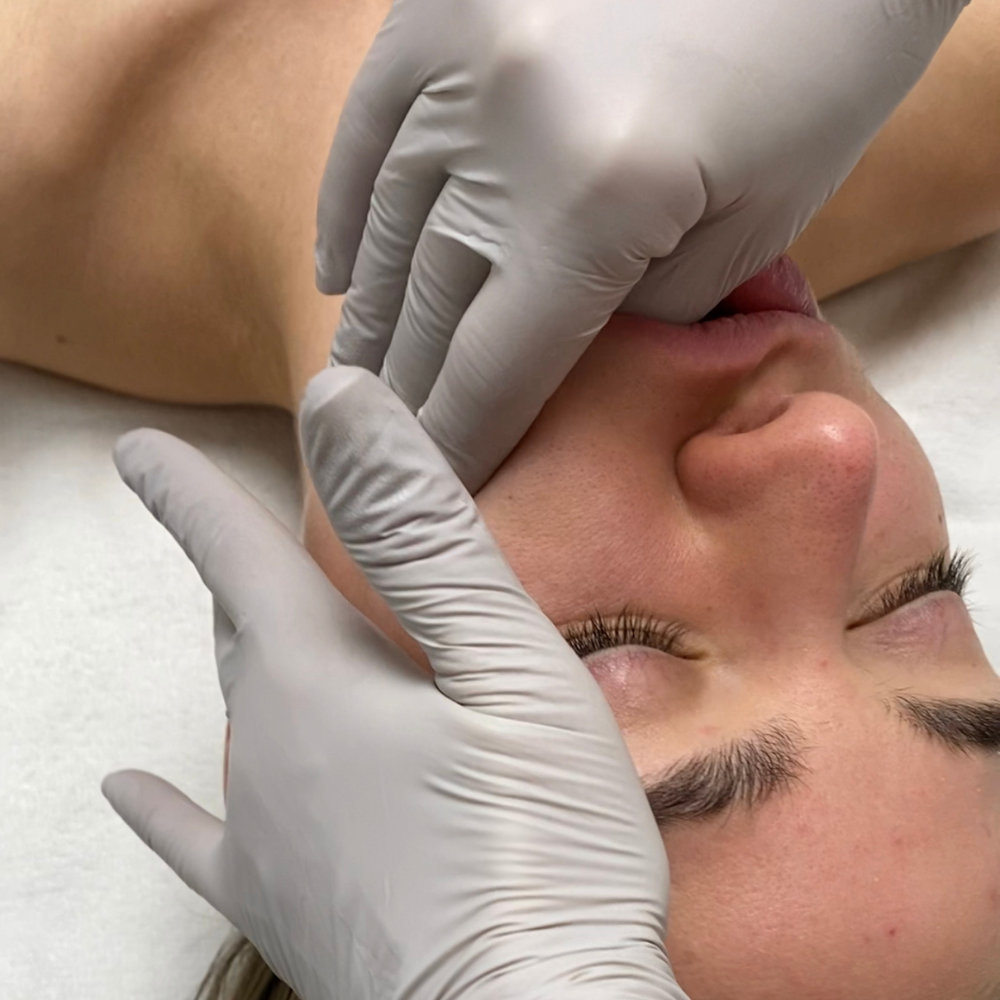
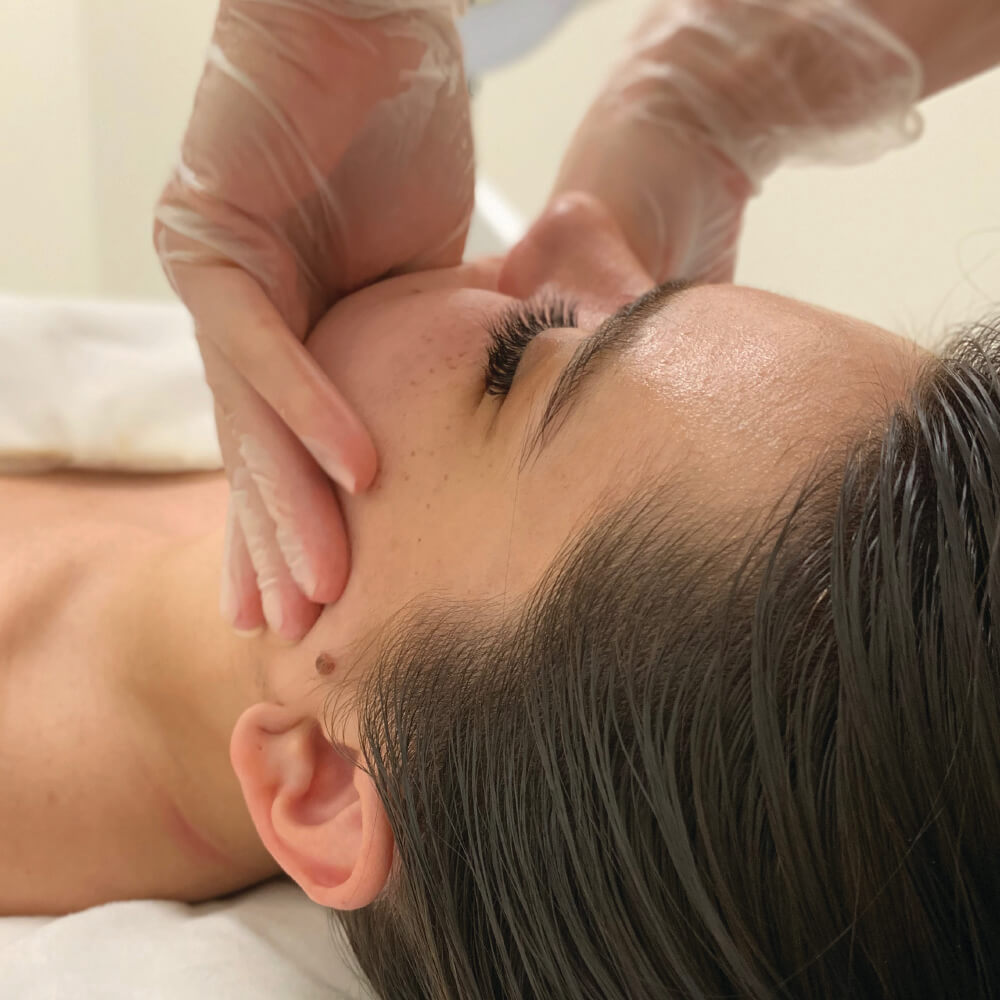
Intraoral Massage: This is the unique aspect of Buccal Massage. Your practitioner will gently and skilfully use their gloved fingers to access and work on the muscles inside your mouth, particularly focusing on the cheeks and jaw.
Pressure and Technique: The practitioner will apply gentle yet effective pressure, using various techniques to release tension and improve circulation in the targeted areas.
Relaxation: Throughout the session, you can expect a calming and soothing experience, often accompanied by a sense of relief as tension melts away.
Duration: A typical Buccal Massage session lasts around 30 minutes and can be combined with other massage techniques.
You will leave the session feeling relaxed, with improved jaw mobility, reduced pain, and a sense of rejuvenation. Some individuals also notice enhancements in skin texture and facial contours over time.
Frequently Asked Questions About Buccal Massage
Q: Is buccal massage the same as a facelift?
No — and this distinction matters. Buccal massage is primarily a therapeutic treatment. It works on the masticatory muscles inside the mouth — the muscles responsible for chewing, jaw clenching, and TMJ-related tension. Because these muscles directly influence the lower third of the face, releasing chronic tension in them can improve facial contours over time. But that is a secondary benefit of therapeutic work, not the treatment’s purpose.
If facial lifting and structural rejuvenation are your primary goals, our Reconstructive Facelift Massage is the treatment designed specifically for that. Many clients benefit from both — but they serve different purposes and should not be conflated.
Q: Does buccal massage help with TMJ?
Yes. TMJ dysfunction often involves the masseter, the medial and lateral pterygoids, and the temporalis — muscles that conventional external massage cannot fully reach. Buccal massage accesses these muscles directly through intraoral technique, releasing holding patterns at their source rather than working around them. Clients frequently notice reduced jaw pain, improved range of motion, and relief from associated symptoms — including headaches, ear discomfort, and neck tension — following consistent sessions.
Q: Is buccal massage painful?
It can be uncomfortable in areas of significant tension, particularly on the first session when the pterygoid muscles haven’t been worked before. That discomfort is a signal, not a problem — it tells both you and your therapist where chronic holding exists. At Via Skincare, pressure is always adjusted to your tolerance, and the experience becomes progressively more comfortable as tension releases over subsequent sessions. Most clients describe the overall session as deeply relaxing despite moments of intensity.
Q: How many buccal massage sessions do I need?
This depends entirely on why you’re coming in. For acute jaw pain or tension relief, many clients experience meaningful improvement after one to three sessions. For chronic TMJ dysfunction that has developed over years, a series of sessions — typically four to six — allows the masticatory muscles to fully release and the nervous system to reset its holding patterns. We’ll discuss your specific situation at the start of your first session and give you an honest recommendation rather than a generic protocol.
Q: What is the difference between buccal massage and intraoral massage?
They refer to the same technique. “Buccal” refers to the cheek — specifically the buccinator muscle and surrounding tissue — while “intraoral” simply describes the method of access: working from inside the mouth. At Via Skincare, the intraoral component of a session addresses the full range of accessible masticatory muscles, not the buccinator alone. The terms are used interchangeably in the industry, though intraoral massage is the more clinically precise description.
Q: Who is buccal massage not suitable for?
Buccal massage is not appropriate for clients with active oral infections, open sores or wounds in the mouth, recent dental surgery or implant placement, or certain inflammatory jaw conditions in an acute flare. If you have any of these conditions, please let us know when booking and we’ll advise on timing. Pregnancy, severe dental sensitivity, or a history of jaw dislocation are also worth discussing before your first session. When in doubt, a brief consultation call before booking is always welcome.
Q: Can buccal massage help with teeth grinding (bruxism)?
Buccal massage does not stop grinding — that is a neurological and behavioral pattern, often linked to stress. What it does is release the muscular consequences of grinding: the chronic shortening and thickening of the masseter and pterygoids that develop over time. By reducing the tension load in these muscles, sessions can decrease the intensity of clenching, reduce associated headaches and jaw soreness, and improve overall jaw mobility. For many clients, regular buccal massage becomes an important part of managing bruxism alongside other approaches.
Q: How is Via Skincare’s approach to buccal massage different?
Via Skincare introduced buccal massage to California in 2016. Our approach is rooted in therapeutic intention rather than aesthetic marketing — we treat the masticatory muscles as the clinical structures they are, with proper attention to anatomy, technique sequencing, and client-specific assessment. Sessions are not templated; they are adapted to what your jaw actually needs on that day.
Q: Can I combine buccal massage with other treatments?
Yes. Buccal massage pairs naturally with Manual Lymphatic Drainage for clients managing facial swelling, and with our Reconstructive Facelift Massage for clients who want both therapeutic jaw release and comprehensive facial rejuvenation in the same visit. Your therapist will advise on the most appropriate combination based on your goals and the condition of your tissue.
Have a question not answered here? Contact us directly — we’re happy to help you figure out whether buccal massage is right for what you’re dealing with.