

Preparing for plastic surgery involves more than pre-operative lab work and medication adjustments. If you are planning a facelift, liposuction, tummy tuck, breast surgery, or another cosmetic procedure, how you prepare your body beforehand can significantly influence your recovery timeline and final results.
Most patients focus on what to do after surgery—how to reduce swelling, manage bruising, and minimize downtime. However, an often-overlooked step in surgical preparation happens before the procedure ever begins.
Pre-surgery Manual Lymphatic Drainage (MLD), performed using the Vodder Technique, helps optimize the lymphatic system so your body enters surgery in a less congested, more balanced state. By improving fluid circulation and supporting tissue health in advance, this targeted approach may reduce post-operative swelling, minimize bruising, lower discomfort, and promote faster healing.
For patients investing in cosmetic surgery, where precision and aesthetic outcome matter deeply, preparing the lymphatic system is not an optional luxury—it is a strategic advantage.

Understanding the Lymphatic System in Surgical Recovery
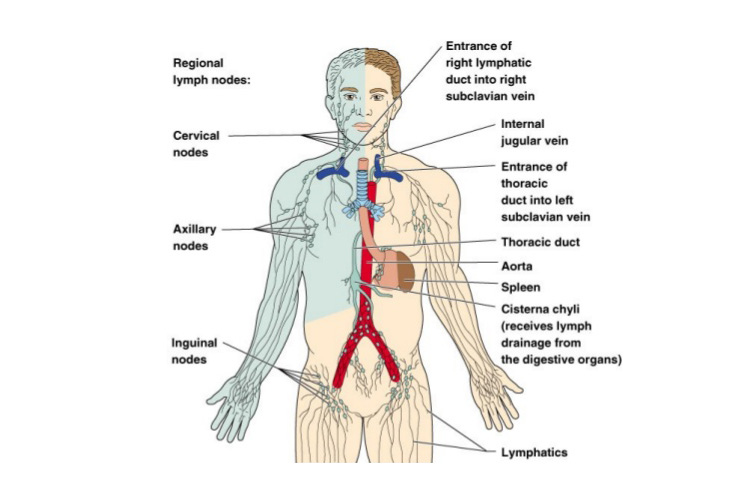
The lymphatic system is a network of vessels, nodes, and ducts responsible for maintaining fluid balance, clearing metabolic waste, and supporting immune function. Unlike the cardiovascular system, which relies on the heart as a pump, lymphatic flow depends on muscle contractions, breathing, and external stimulation.
According to the Cleveland Clinic, the lymphatic system plays a crucial role in removing excess interstitial fluid and protecting the body from infection. When functioning optimally, it prevents fluid stagnation and excessive protein buildup in tissues.
Surgery temporarily disrupts this balance:
- Lymphatic vessels are severed during incisions
- Inflammatory mediators increase vascular permeability
- Protein-rich fluid accumulates in tissues
- Edema (swelling) develops
- Risk of fibrosis increases
If lymphatic function is sluggish prior to surgery, the post-operative inflammatory response can become more prolonged and intense.
Pre-surgery lymphatic drainage helps establish a healthier baseline.
Why Preparing the Lymphatic System Before Surgery Matters
The primary goal of manual lymphatic drainage before surgery is to “prime” the system.
Using gentle, rhythmic, directional strokes, the Vodder Technique:
- Stimulates superficial lymph vessels
- Encourages rerouting toward intact drainage pathways
- Reduces existing interstitial fluid retention
- Improves tissue oxygenation
- Enhances cellular nutrient delivery
Entering surgery with less fluid congestion means tissues are better prepared to handle trauma and inflammatory load.
From a physiological standpoint, this reduces the backlog that often develops immediately after surgery.
Key Benefits of Pre-Surgery Lymphatic Drainage

Reduced Post-Operative Swelling (Edema)
Swelling is the most common and visible consequence of surgery. In facial procedures such as Rhytidectomy, excessive edema can distort contours and prolong downtime.
Clinical studies examining facelift patients have shown that those receiving preoperative MLD experienced significantly lower post-operative edema compared to control groups.
The mechanism is straightforward:
- MLD stimulates lymphangion contraction
- Protein-rich fluid is evacuated more efficiently
- Baseline tissue pressure is reduced
The American Society of Plastic Surgeons notes that swelling is expected after cosmetic surgery, but its duration varies. Optimizing lymphatic function may help shorten that timeline.
In clinical settings, surgeons often observe that patients who receive 3–5 pre-surgery lymphatic drainage sessions demonstrate faster visible resolution of swelling.
Less Bruising and Inflammation
Surgical trauma triggers localized inflammation and microvascular bleeding, leading to bruising (ecchymosis).
By enhancing lymphatic and microcirculatory efficiency, pre-operative MLD:
- Improves removal of inflammatory mediators
- Assists clearance of extravasated blood components
- Reduces prolonged tissue congestion
This can translate into milder bruising and quicker color resolution.
Inflammation is necessary for healing, but excessive or prolonged inflammation contributes to tissue stiffness and delayed recovery. Pre-surgery lymphatic massage supports a more regulated inflammatory response.
Pain Reduction Through Fluid and Nervous System Regulation
Fluid accumulation increases pressure on tissues and nerve endings, amplifying discomfort.
Manual lymphatic drainage reduces this pressure by:
- Decongesting tissues
- Promoting fluid evacuation
- Activating parasympathetic nervous system responses
The Vodder Technique is known to calm sympathetic activity and promote relaxation. Lower stress hormone levels can positively influence surgical recovery.
Clinical observations suggest that patients who complete at least three preoperative sessions frequently report lower perceived pain levels in early recovery phases. Some reports indicate up to 89% of patients experience measurable reductions in discomfort following structured lymphatic therapy protocols.
Reduced pain often correlates with:
- Improved breathing patterns
- Earlier mobility
- Decreased muscle guarding
- Better overall compliance with recovery guidelines
Faster Healing and Improved Tissue Mobility
Efficient healing requires oxygen, nutrients, and waste removal at the cellular level.
Pre-surgery MLD enhances:
- Capillary exchange
- Oxygen transport
- Nutrient delivery
- Removal of metabolic byproducts
These processes are foundational to wound repair, collagen remodeling, and epithelialization.
Some clinical reports suggest that incorporating lymphatic therapy can accelerate healing timelines by up to 30% in certain procedures.
Although results vary based on surgery type and individual health factors, improved lymphatic circulation consistently supports healthier tissue repair.
Early mobility is also facilitated when stiffness and fluid restriction are minimized.
Reduced Risk of Fibrosis and Scar Tissue Formation
One of the most significant long-term concerns following surgery is fibrosis — the excessive accumulation of collagen that results in hardened, irregular tissue.
Persistent edema contributes to fibrotic changes. Protein-rich fluid that remains trapped in tissues stimulates fibroblast activity and abnormal collagen deposition.
By reducing pre-existing congestion and supporting post-operative drainage, 3–5 preoperative sessions may:
- Minimize prolonged edema
- Support balanced collagen organization
- Decrease the likelihood of dense scar formation
For a deeper understanding of scar tissue development and release techniques, see our internal guide: Understanding Scar Tissue Release: A Comprehensive Guide.
Who Should Consider Pre-Surgery Lymphatic Drainage?
Pre-operative MLD is particularly beneficial for:
- Facelift (rhytidectomy) patients
- Liposuction and body contouring procedures
- Abdominoplasty (tummy tuck) patients
- Breast surgery patients
- Orthopedic surgery patients
- Individuals prone to swelling
- Patients with slower healing histories
- Revision surgery patients
In cosmetic procedures where aesthetic precision and minimized downtime are priorities, pre-surgical lymphatic preparation can offer measurable advantages.
Recommended Protocol
Most patients benefit from 3–5 preoperative sessions, with the final treatment scheduled 1–2 days before surgery to support optimal lymphatic function.
Pre-surgical lymphatic drainage at Via Skincare is performed using the Vodder Technique and customized to the individual surgical plan and health history.
The Future of Surgical Preparation
Despite strong clinical rationale and increasing anecdotal evidence, pre-surgery MLD remains underutilized. However, forward-thinking plastic surgeons are increasingly incorporating it into comprehensive surgical preparation plans.
As more research emerges on lymphatic physiology and surgical recovery optimization, pre-operative lymphatic drainage is likely to become standard supportive care rather than an optional add-on.
Preparing the body’s drainage system before surgery represents a proactive strategy — one that may significantly influence swelling duration, fibrosis risk, pain levels, and overall aesthetic outcome.
When the lymphatic system enters surgery functioning efficiently, recovery often becomes smoother, more predictable, and more comfortable.
For patients in Los Angeles planning plastic or cosmetic surgery, pre-surgical lymphatic drainage can be a valuable part of comprehensive preparation. To learn whether this approach is appropriate for your procedure, schedule a consultation with Via Skincare in advance of your surgery date.