
Millions of women (and men, too) deal with facial swelling on a regular basis. It can make you look tired, older, or just “off,” even when you’ve done nothing wrong. Interestingly, much of what we’ve been told about facial puffiness is outdated or downright misleading.
The truth is, facial swelling isn’t just a surface issue. It’s often tied to deeper factors like fluid retention, circulation, and even how your body handles everyday habits. Let’s clear up some of the biggest myths and get to what really works for reducing that unwanted puffiness naturally and safely.
Myth 1: Facial Swelling Is Just an Age Thing
One of the most persistent ideas out there is that puffy eyes or a swollen face only happen as you get older. Sure, skin loses some elasticity over time, but swelling can show up at any age—even in kids or young adults.
The real culprits often include things like poor posture, low activity levels, or even imbalances in your body’s fluid systems. For instance, issues with lymph drainage or venous flow can slow things down, leading to buildup. And let’s not forget diet: too much salt, processed foods, or inconsistent hydration can trigger it early on. Blaming it solely on age lets us ignore these fixable factors.
Myth 2: It’s All About Blocked Fluid Outflow
A lot of advice focuses on “draining” the swelling directly—like with intense massages or diuretics right away. But here’s a surprising twist: persistent facial puffiness often stems from something upstream. Reduced blood flow to the head, sometimes linked to neck tension, spinal issues, or even stiff muscles, can play a huge role.
When circulation to the brain isn’t optimal, the body compensates in ways that lead to tissue swelling downstream—in your face. That’s why addressing the neck and improving overall flow first can make a bigger difference than jumping straight to facial treatments.
Gentle lymphatic drainage techniques, like light facial massage, can help encourage better movement without forcing it.
Myth 3: Drinking Lots of Water Makes Your Face Puffier
This one always surprises people. We’ve all heard warnings about “water retention” from drinking too much. In reality, the opposite is often true: dehydration is a major trigger for facial swelling.
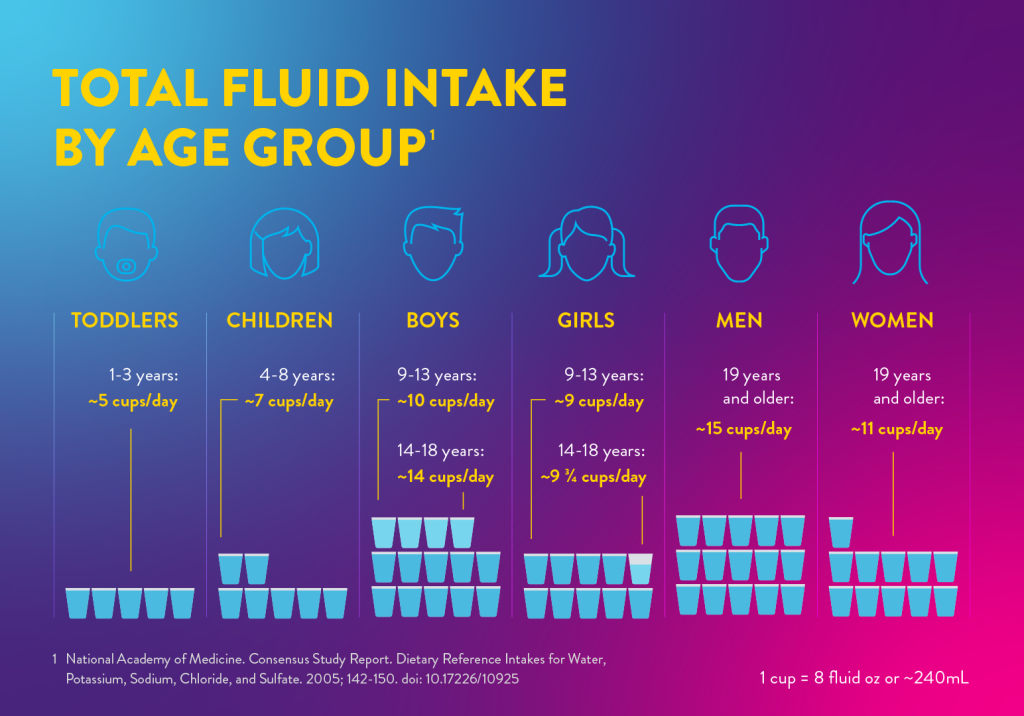
When your body senses it’s low on fluids, it holds onto what it has, leading to puffiness—especially around the eyes and cheeks. Staying consistently hydrated (aim for 1.5–2 liters a day, more if you’re active) helps flush things out and keeps tissues balanced. It’s one of the simplest, most effective ways to wake up looking fresher.
Check out this handy guide to daily water intake for a better understanding:
Pair it with cutting back on salty foods, and you’ll notice a real difference. For expert insights, see Healthline’s explanation on dehydration and swelling.
Myth 4: Going Fully Plant-Based Will Fix Swelling
Plant-based eating has tons of benefits, but slashing protein entirely can backfire. Severe protein shortages—think extreme diets or fasting—can lead to a type of swelling called “hunger edema.” Without enough protein, your blood pressure drops, and fluids start leaking into tissues as a compensation mechanism.
The key is balance: include quality proteins (from plants or animals) alongside veggies and whole foods. No need for extremes—sustainable, nourishing meals keep everything in check. Read more about protein deficiency and edema from reliable sources like Cleveland Clinic.
Myth 5: You Should Get Rid of Swelling as Fast as Possible
This might be the most dangerous myth. Aggressive approaches—like harsh diuretics, intense treatments
(one of them is the gua-sha technique, often so aggressively advertised), or sudden drastic changes—can strip away that subtle fullness too quickly. Swelling often acts like a natural “filler,” smoothing lines and hiding imperfections.
Remove it abruptly, and you might reveal deeper wrinkles, hollow areas, or uneven texture before your skin has time to adjust and rebuild collagen. Patience pays off: gradual improvements allow tissues to recover and adapt, leading to healthier, more natural results long-term.
So, What Actually Helps Reduce Facial Swelling Safely?
If you’re tired of the cycle and ready for real change, focus on root causes rather than quick band-aids. Start with basics: stay hydrated, move your body daily (even walks help circulation), eat balanced meals, and pay attention to posture.
For many, gentle self-massage techniques targeting lymph flow and neck release make a huge impact. Learning proper methods can put you in control—no expensive appointments needed every time.
Hundreds of people have transformed their faces with consistent, evidence-based approaches like reconstructive massage or guided self-care routines.
It’s not about perfection overnight; it’s about steady, safe progress that leaves you looking and feeling your best.
If persistent puffiness is affecting your confidence, don’t settle for myths. For personalized guidance or to book a professional session, visit our studio booking page. Prefer DIY? Check out our self-massage course for facial swelling control.