
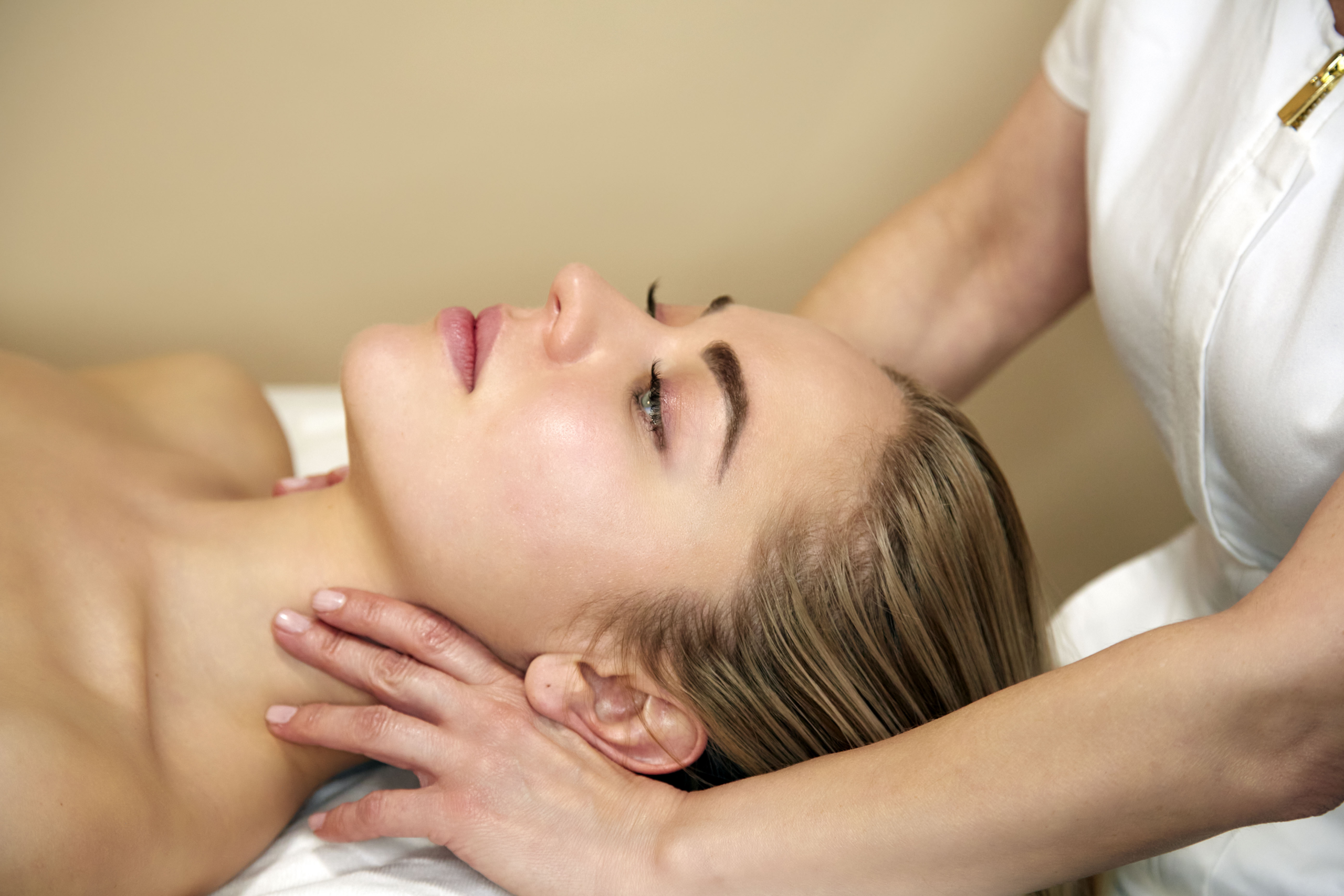
You’ve had your facelift. The surgery went well. Your surgeon is pleased. And now you’re home, looking in the mirror at a face that is swollen, tight, and bruised in ways nobody fully prepared you for — wondering when you are going to start looking like yourself again, and whether there is anything you can do to speed this up.
The answer is yes. And it starts with understanding what is actually happening in your tissue right now — and why lymphatic drainage after facelift surgery is one of the most impactful steps you can take during your recovery.
This guide walks through the facelift recovery process week by week from a lymphatic standpoint: what your body is doing at each stage, when MLD is safe to begin, how many sessions to plan for, and what to look for in a qualified therapist. It is written for patients currently in recovery, patients planning ahead, and anyone whose surgeon has recommended lymphatic drainage but hasn’t explained exactly what that means in practice.
Why Facelift Swelling Happens — And Why It Lasts Longer Than You Expect
Swelling after a facelift is not a sign that something went wrong. It is the body’s predictable, protective response to surgical trauma — and understanding it is the first step toward managing it effectively.
During a facelift, the surgeon works through multiple tissue layers: skin, subcutaneous fat, and the SMAS — the fibromuscular layer beneath. Blood vessels are cut and cauterized. Lymphatic vessels, which run throughout these layers, are disrupted. The body responds immediately by flooding the area with inflammatory fluid — a mix of plasma, proteins, white blood cells, and cellular debris — designed to protect the tissue and initiate repair.
This fluid is what causes post-facelift swelling. Under normal circumstances, the lymphatic system would clear this fluid efficiently, transporting it through the lymph vessels to the regional lymph node groups and eventually back into the bloodstream. But facelift surgery disrupts the very lymphatic vessels responsible for that drainage. The system that is supposed to clear the swelling has itself been affected by the procedure that caused it.
Research published in Aesthetic Surgery Journal has documented that post-surgical edema following facelift procedures can persist for weeks to months, with the depth and duration of swelling directly related to the extent of dissection and the patient’s individual lymphatic recovery capacity.
This is why facelift swelling does not behave like a bruise that simply fades in a week. The lymphatic vessels need to regenerate, reroute, and resume function — a process that takes time and that professional MLD can meaningfully support.
Rhinoplasty can create a different swelling pattern, especially around the nasal tip; our guide to swelling after rhinoplasty explains why it may persist and how lymphatic drainage may support recovery.
What Lymphatic Drainage Actually Does After a Facelift
Manual lymphatic drainage uses light, rhythmic, precisely sequenced hand movements to activate the lymphatic vessels and stimulate the lymph node groups responsible for clearing the face and neck. In a post-surgical context, it does three specific things that no other recovery modality achieves:
It clears inflammatory fluid more efficiently than the body can alone. By manually stimulating the lymphatic pathways and the node groups that filter and transport lymph — the submandibular nodes beneath the jaw, the parotid nodes near the ear, and the deep cervical nodes along the neck — MLD accelerates the removal of the post-surgical fluid that is causing visible swelling. This is not the same as a facial massage or a warm compress. It is a directed intervention in a specific physiological process.
It reduces the risk of fibrosis. When post-surgical inflammatory fluid sits in tissue for extended periods, it can contribute to the formation of fibrosis — a hardening and thickening of connective tissue that can create firmness, unevenness, or visible irregularities under the skin. Regular MLD in the weeks following surgery helps keep the fluid moving before it has the opportunity to organize into fibrotic tissue. For patients with a history of previous procedures or dense connective tissue, this is particularly important.
It activates the parasympathetic nervous system. The Vodder-method strokes used in certified MLD activate Ruffini receptors in the skin — mechanoreceptors that trigger a parasympathetic response, reducing cortisol, lowering heart rate, and shifting the body into a repair-oriented state. This is not incidental. Research on MLD and autonomic nervous system responses supports the connection between lymphatic drainage and parasympathetic activation — and a body in a lower-stress state heals more efficiently at the cellular level. Many post-surgical patients also report significantly reduced anxiety and improved sleep after MLD sessions, which further supports the healing process.
Understanding what your body is doing at each stage of recovery helps you make better decisions about timing, activity, and when to begin lymphatic drainage.
Days 1–3 — Acute Inflammatory Phase
This is the most intense swelling you will experience. The body has activated its full inflammatory response: blood flow to the area has increased dramatically, capillary permeability has spiked, and the tissue is saturated with the fluid and cellular components of the inflammatory cascade.
Swelling at this stage is expected to be significant — particularly in the cheeks, lower face, jaw, and neck. Bruising will likely be visible. The face may feel tight, numb, or tender. This is normal.
MLD is not appropriate during this phase. The lymphatic vessels at the surgical site are in early repair, and external stimulation — even gentle — is not yet beneficial. Rest, head elevation, cold compresses applied indirectly, and careful adherence to your surgeon’s immediate post-op instructions are the priorities now.
Days 4–7 — Transition Phase
The peak inflammatory response begins to subside. The body shifts from acute inflammation toward the proliferative phase of healing — the stage at which new tissue structures begin to form and the repair process accelerates. Swelling may still be significant but will often feel less tense and more fluid-like.
This is when many surgeons begin to consider clearing their patients for gentle lymphatic work, depending on the individual’s healing progress and the specific procedure performed. Always follow your surgeon’s guidance on timing — do not begin any manual therapy without surgical clearance, regardless of what you read online.
If your surgeon clears you during this window, an initial MLD session during days 4–7 is extremely gentle. The work focuses almost entirely on the cervical lymph node chains and the terminus — the base of the neck — rather than on the surgical site directly. The goal is to open the drainage pathways below the face so that fluid has somewhere efficient to drain as the system begins to recover.
Weeks 2–3 — Early Recovery Phase
Visible bruising typically begins to resolve during this period. Swelling decreases noticeably, though unevenness and areas of firmness are common — particularly under the chin, along the jawline, and near the ears. The numbness that many facelift patients experience in the cheeks and lower face is normal and may persist for several weeks or months as sensation returns gradually with nerve regeneration.
MLD during weeks 2–3 becomes more active and targeted. The therapist begins to address the facial lymph node groups more directly — working the parotid nodes near the ear, the submandibular nodes beneath the jaw, and the submental nodes under the chin — while continuing to maintain clear cervical drainage below. Pressure remains extremely light. Any area that feels firm, lumpy, or particularly tender receives additional attention with careful, focused drainage strokes.
This is typically when patients begin to notice a meaningful visible difference after sessions: the face looks more defined, less heavy, and the swelling that was diffuse begins to resolve more quickly in the days following each treatment.
Weeks 4–6 — Active Healing Phase
The majority of acute swelling has resolved for most patients by this stage, but residual swelling — particularly in the lower face, under the chin, and in areas where lymphatic vessel regeneration is still occurring — is very common and completely normal. Many patients are disappointed during this period because they feel they should look more recovered than they do. The tissue is still actively healing beneath the surface.
MLD sessions during weeks 4–6 are fuller in scope. The entire facial drainage sequence is addressed in each session — from the terminus through the cervical chain, through the regional facial node groups, and across the face itself. Myofascial components may be gently integrated if the therapist is trained in both modalities, particularly in areas where early fibrosis or firmness is present. Session frequency may begin to taper toward once or twice per week rather than more intensive early-phase scheduling.
Weeks 7–12 and Beyond — Consolidation Phase
By week 7–12, most patients are socially presentable and the dramatic early recovery is behind them. But this is also the phase where subtler, slower changes continue: residual puffiness in specific zones, mild asymmetry as the two sides heal at slightly different rates, and areas of firmness that are resolving gradually.
Clinical literature on facelift recovery timelines consistently notes that the final result of a facelift is not fully visible until 6–12 months post-surgery. The tissue is still remodeling. MLD during this consolidation phase continues to support that remodeling process — encouraging the tissue to settle evenly, preventing residual fibrosis from organizing further, and maintaining the improved lymphatic function that has been built up over the recovery period.
When to Start Lymphatic Drainage After Facelift Surgery
The most common question patients ask — and the one their surgeon’s office often answers vaguely — is: when exactly should I start?
The honest answer is: as soon as your surgeon clears you, within the first week if possible.
The earlier MLD begins, the more it influences the trajectory of recovery. Fluid that is moved during the first week has not had time to organize into fibrosis. Lymphatic channels that are stimulated early recover their function more quickly. Swelling that is addressed in the acute phase resolves faster than swelling that has been sitting in tissue for weeks.
A practical guide to timing:
Days 4–7: Begin if surgeon clears you. Cervical focus only. Extremely gentle. 1 session.
Week 2: 2–3 sessions. Cervical and initial facial node work. Light pressure throughout.
Week 3: 2–3 sessions. Fuller facial drainage sequence. Begin addressing areas of firmness.
Weeks 4–6: 1–2 sessions per week. Full protocol.
Weeks 7–12: 1 session per week or every two weeks depending on remaining swelling and patient goals.
Beyond week 12: Maintenance cadence as needed — typically once or twice per month for patients who want to continue supporting the result.
Always defer to your surgeon’s specific guidance. Some surgical approaches — particularly those involving deeper dissection or extended SMAS work — may require a more conservative timeline. Your therapist and your surgeon should be in communication about your protocol.
How Many Lymphatic Drainage Sessions Do You Need After a Facelift?
There is no universal number. What the research and clinical experience consistently show is that a series of sessions produces meaningfully better outcomes than a single session or infrequent treatment.
A general framework based on the Vodder protocol for post-surgical recovery:
Intensive phase (weeks 1–6): 2–3 sessions per week, totaling approximately 12–18 sessions. This is the period of highest lymphatic activity and the greatest opportunity to influence the recovery trajectory.
Transition phase (weeks 7–12): 1–2 sessions per week, totaling approximately 6–12 sessions. Swelling is resolving; sessions maintain drainage function and address residual firmness.
Maintenance phase (beyond week 12): As needed — typically 2–4 sessions per month for patients who want to support the long-term result and maintain lymphatic function.
In total, most facelift patients who begin MLD early and follow through on an intensive series complete 20–30 sessions over the first three months. Patients who begin later, or who come for occasional single sessions, will see some benefit but will not achieve the same depth of outcome as those who commit to a full protocol.
The investment in a series is worth understanding before you begin — both financially and logistically. Discuss this with your therapist at the first session, and ask them to outline a specific protocol based on your current tissue presentation and recovery stage.
What to Look for in a Post-Surgical MLD Therapist in Los Angeles
Not every provider offering “lymphatic drainage” or “post-surgical massage” in Los Angeles is qualified to work with facelift recovery tissue. The stakes are higher in a post-surgical context than in a general wellness setting — and the question of training and methodology matters significantly.
When evaluating a provider, ask these questions directly:
Are you certified in a recognized MLD method? The answer should name a specific system: Dr. Vodder, Casley-Smith, Földi, or Leduc. General esthetics training, short online courses, or “lymphatic facial” certifications do not constitute clinical MLD training.
Have you worked with post-facelift recovery patients specifically? Post-surgical tissue behaves differently from healthy tissue. A therapist without experience in surgical recovery may not recognize the signs of early fibrosis, may not know when to apply lighter pressure near incision sites, and may not be familiar with the contraindications specific to the post-operative period.
Do you follow a contraindication screening process? There are situations in which MLD should be modified or delayed — including signs of infection, unresolved hematoma, or specific conditions your surgeon has flagged. A qualified therapist will ask about your surgical history, your current symptoms, and whether your surgeon has given specific clearance before beginning work.
At Via Skincare in Los Angeles, post-surgical facial MLD is performed using the Dr. Vodder method by a certified MLD specialist with specific experience in facelift and facial plastic surgery recovery. Every session includes a tissue assessment and protocol adapted to your current recovery stage.
What Results Can You Expect — And When
Results from post-facelift MLD are visible and cumulative.
After the first session: Most patients notice an immediate reduction in visible facial puffiness and a sense of lightness in the face and neck. The face may look more defined and less heavy within hours of the session. This is the acute lymphatic response — the system has been stimulated and is actively clearing fluid.
After a series of sessions in weeks 2–4: The recovery trajectory visibly accelerates compared to patients not receiving MLD. Bruising resolves faster. Firmness in the lower jaw and submandibular area softens sooner. The face begins to take on a more natural, settled appearance rather than the swollen, pulled quality of early recovery.
By weeks 6–12: Patients who have completed a consistent MLD series commonly report that their visible recovery is significantly ahead of where friends who had similar procedures without MLD were at the same stage. Residual puffiness has largely resolved. Asymmetry, if present, is typically minor and continuing to improve. The tissue feels softer and more even.
Long-term: MLD supports the remodeling of the tissue in the months following surgery. Patients who continue with maintenance sessions commonly report that the result of their facelift appears cleaner and more refined at the 6–12 month mark than it did at earlier stages — because the underlying tissue has been consistently supported through the full healing process.
It is important to frame these outcomes honestly: MLD supports the body’s natural healing capacity. It does not accelerate healing beyond what the body is capable of, and it does not substitute for a good surgical result. What it does is ensure that the recovery process runs as efficiently as possible — that the lymphatic system is clearing fluid as quickly as it can, that fibrosis is minimized, and that the tissue has the best possible environment in which to heal.
Frequently Asked Questions About Lymphatic Drainage After Facelift Surgery
When is it safe to start lymphatic drainage after a facelift?
Most surgeons clear patients for gentle MLD between days 4 and 7 post-surgery, depending on the individual healing response and the extent of the procedure. Always get explicit clearance from your surgeon before beginning any manual therapy — do not start based on a general guideline alone. If your surgeon’s office does not routinely address this, ask them directly at your first post-op appointment.
Does lymphatic drainage after facelift surgery hurt?
No. Post-surgical MLD uses extremely light pressure — far lighter than a standard massage. The work is gentle enough to be appropriate on tissue that is still healing. Most patients find the sessions deeply relaxing. Some areas of firmness or active swelling may feel mildly tender on contact, but this resolves quickly and the overall experience should not be painful. If anything feels uncomfortable, inform your therapist immediately.
How is post-surgical MLD different from a regular facial massage?
Significantly different. A regular facial massage is not appropriate on post-surgical tissue and should not be performed during facelift recovery. Post-surgical MLD uses specific Vodder-method techniques at calibrated pressure, follows a precise drainage sequence, and is adapted to the healing stage of the tissue. It works on the lymphatic system, not the muscle layer. The two modalities have different goals, different techniques, and are not interchangeable.
My surgeon didn’t mention lymphatic drainage. Should I still get it?
Many surgical practices do not routinely recommend MLD, not because it isn’t beneficial but because it falls outside the scope of what they actively coordinate. The clinical evidence for MLD in post-surgical recovery is well-established. If your surgeon did not mention it, you can ask directly whether they have any objection to you beginning MLD at your first post-op appointment. Most surgeons, when asked, will support it or actively encourage it.
Can I do lymphatic drainage at home after my facelift?
Self-drainage techniques exist, but they are not equivalent to professional MLD and are not recommended as a substitute in the early recovery phase. The accuracy of pressure, rhythm, and sequence that produces clinical results cannot be replicated without hands-on training. Very gentle self-drainage — specifically following a protocol demonstrated by a certified MLD therapist — may be a useful complement to professional sessions in later recovery stages. Ask your therapist to show you what is appropriate for your specific stage of healing.
I’m three months post-facelift and still have swelling. Is it too late to start MLD?
No. While earlier is better, MLD is beneficial at any stage of post-facelift recovery. Residual swelling at three months is common and may respond very well to a course of MLD sessions. Fibrosis that has begun to organize can also be addressed — though more gradually than if it had been treated earlier. Book a session, have your tissue assessed, and your therapist will outline what a protocol for your current stage looks like.
Book Post-Facelift Lymphatic Drainage in Los Angeles
Via Skincare offers post-surgical lymphatic drainage in Los Angeles using the Dr. Vodder method, administered by a certified MLD specialist with experience in facelift and facial plastic surgery recovery. Sessions are available at our private studio in Toluca Lake, Los Angeles.
If you are currently recovering from a facelift, planning one, or want to discuss whether MLD is appropriate for your recovery stage, we welcome you to reach out before booking. We are happy to answer questions about your specific procedure, your timeline, and what a protocol for your situation would involve.
Book your post-facelift MLD session at Via Skincare and give your recovery the support it deserves.