We all want to age gracefully, look refreshed, and feel confident in our own skin. But in the search for quick results, many people end up choosing procedures that actually distort their facial structure over time. I see this every week in my Los Angeles studio—clients walk in wondering why their face suddenly looks tired, puffy, uneven, or “not like them anymore.”
Today, I want to break down four common procedures that can unintentionally change the face in ways most people don’t expect. I’ll explain why it happens, what long-term issues can show up, and what safer, more natural options you can choose instead.
Buccal Fat Removal and Premature Facial Aging
Buccal fat removal has been trending for years, especially among younger people looking for that sculpted, “model” cheek hollow. But the buccal fat pads aren’t just fat—they function as a depot for stem cells, cushioning, and long-term structural support.
Once they’re removed, they don’t come back.
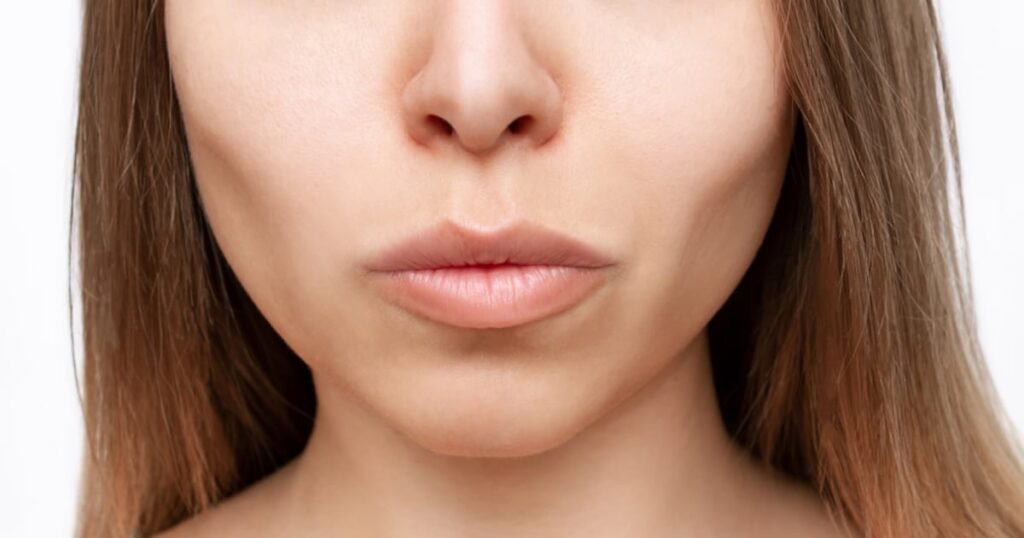
Why It Can Negatively Change Facial Shape
- Premature hollowing: Without the natural support, the mid-face collapses faster with age.
- A tired, unhealthy look: Hollow cheeks emphasize under-eye bags and deepen nasolabial folds.
- Harsh angles instead of soft contours: This can make the face look drawn or unhealthy, especially after age 35–40.
- Unbalanced aging: As the rest of the face loses volume with time, the removed areas exaggerate sagging and asymmetry.
Buccal fat isn’t the enemy—it’s part of what makes a face youthful and alive.
Facial Lipofilling (Fat Grafting) and Long-Term Asymmetry
Lipofilling (also called fat grafting) sounds appealing: take fat from one part of the body and place it in the face for fullness. But the reality is rarely as predictable as people hope.
Why Facial Fat Grafting Is Unpredictable
- Unpredictable “take rate”: Some fat survives, some doesn’t, and you never know which areas will keep the volume.
- Asymmetry is common: If one side absorbs more fat than the other, the face can look uneven, even years later.
- Very sensitive to weight changes: Lose a few pounds? The new fullness disappears. Gain a little? It may become bulky.
- Odd texture under the fingers: Clients often describe it as “rubbery,” “lumpy,” or simply “not like normal facial tissue.”
- Risk of overfilling: Surgeons sometimes add extra fat to compensate for the expected loss, but when more survives than planned, the results look unnatural.
Fat grafting can look beautiful at first, but over time, it doesn’t always age gracefully.
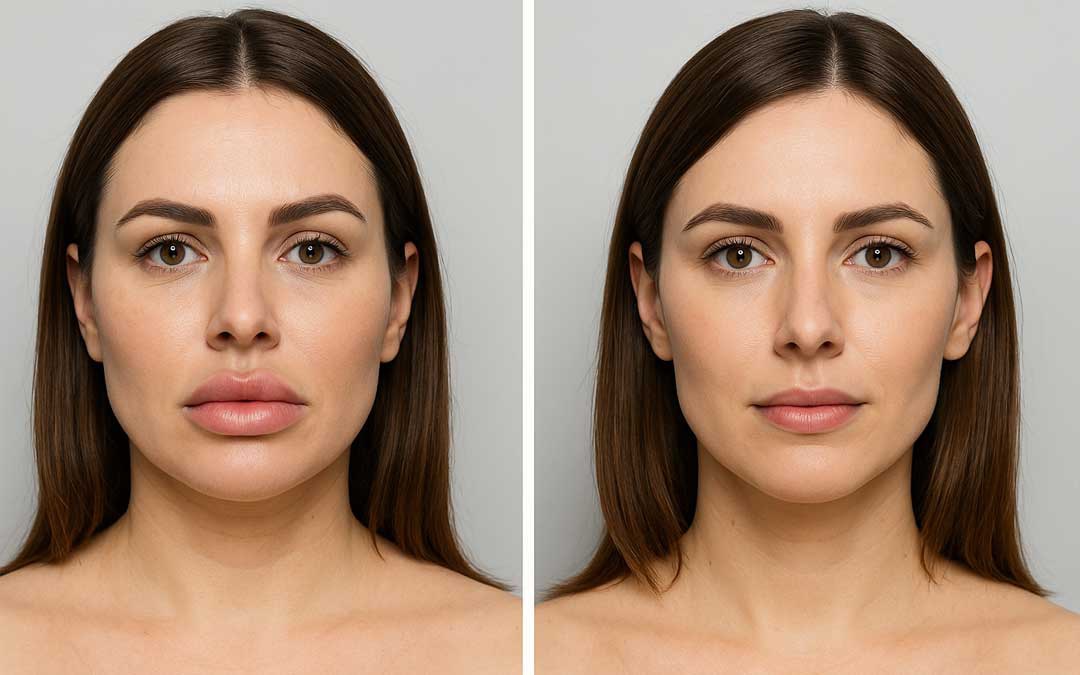
Dermal Fillers: Extra Water Retention, Puffiness, and Facial Distortion
Fillers were originally created to offer subtle tweaks—and used sparingly by a good injector, they still can. But many people get layer after layer without realizing that fillers attract and hold water inside the tissue.
That “swollen pillow” look familiar to many people? It’s not just filler—it’s water retention caused by filler.

Common Long-Term Effects of Fillers
- Chronic puffiness: The face looks swollen even on “good days.”
- Shape distortion: Areas like the under-eyes, cheeks, and jawline lose their natural definition.
- Shadows and “lumps”: Fillers can migrate, especially around movement-heavy zones like the mouth.
- A constantly tired look: The waterlogged tissue makes the skin seem heavy and fatigued.
- Interference with lymphatic flow: This is a big one. The face can’t drain properly, which means more inflammation and a bloated appearance.
Many clients are shocked at how much lighter and more defined their face looks after dissolving fillers.
Facial Strengthening Exercises: Not All Muscles Should Be “Toned”
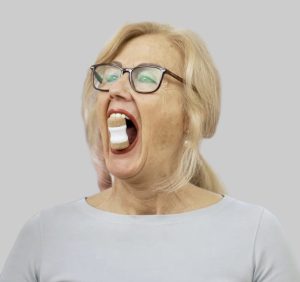
There’s a lot of confusion online about facial workouts. Some exercises can be helpful when done correctly, but strength-based training—especially for the jaw—often backfires.
Why Facial Strength Training Can Backfire
- Overbuilt masseters: Clenching and resistance exercises bulk up the jaw, making the face look wider and more square.
- TMJ stress: The joint becomes irritated, inflamed, and unstable.
- Triggering neurological issues: Nerve compression, headaches, ear symptoms, even facial asymmetry can follow.
- Accelerated aging: When you strengthen facial muscles too much, they pull the skin downward harder.
The face requires relaxation, balance, and release, not resistance training.
So What’s the Safer, Healthier Alternative?
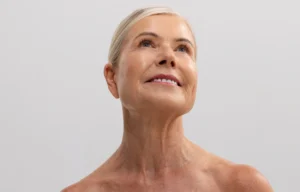
The good news is that you’re not out of options. You can lift, sculpt, relax, and restore your face without damaging or altering your natural face shape. These results can be achieved safely through:
- Guided self-care techniques at home, such as our five-day self-massage course.
- Professional treatments like Reconstructive Facelift Massage, which works with the fascia, muscles, and lymphatic system to restore natural balance and lift the face.
Final Thoughts
Cosmetic procedures aren’t inherently bad—but they’re often misunderstood. The long-term structural effects on the face are rarely discussed before irreversible decisions are made.
Your face is designed to move, drain, soften, and adapt naturally. With the right care, you can maintain lift, definition, and vitality without sacrificing what makes your face uniquely yours.
If you’re looking for a healthier, long-term approach to facial rejuvenation, explore the Via Skincare homepage.