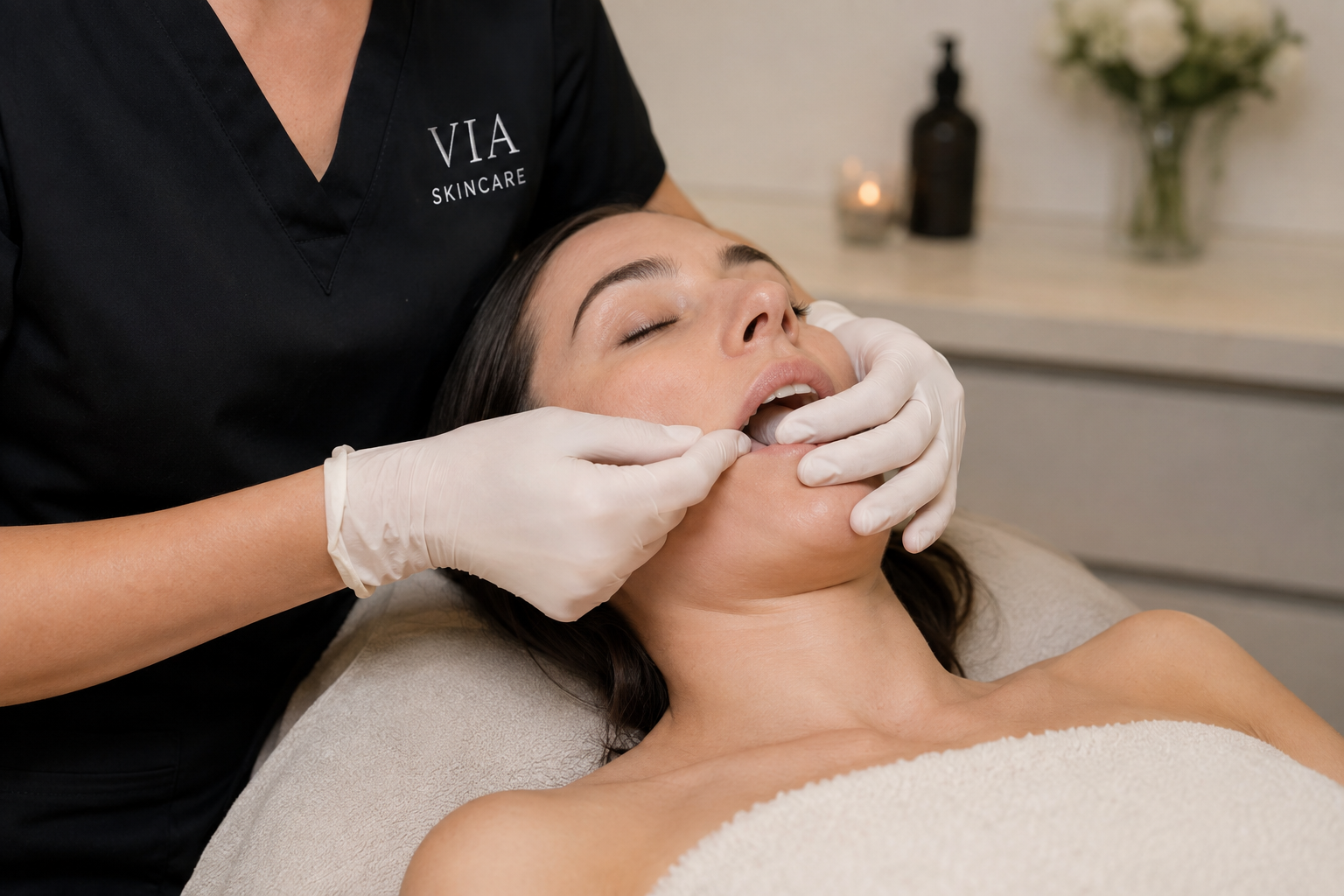
You’ve probably seen it mentioned online — in a wellness article, a skincare forum, or a friend’s caption after a facial. Buccal massage. Sometimes described as a “natural facelift.” Sometimes as a jaw treatment. Often photographed with a gloved hand inside someone’s cheek.
If your reaction was equal parts curious and uncertain, you’re in the right place.
This post is for the person who has never had a buccal massage and wants a straight answer before deciding whether to book one. No overpromising. No vague wellness language. Just a clear explanation of what the treatment is, what it does, who it genuinely helps, and what you can expect during your first session.
What Does Buccal Massage Mean?
Buccal massage, also called intraoral massage, is a specialized manual therapy technique that works with the muscles and soft tissues of the jaw and face from both outside and inside the mouth.
The word buccal refers to the cheek. Intraoral simply means inside the mouth. During an intraoral treatment, a trained practitioner uses gloved hands to work through the cheek tissue and access areas of the jaw and face that cannot be addressed in the same way with external massage alone.
This is what makes buccal massage different from a conventional facial massage.
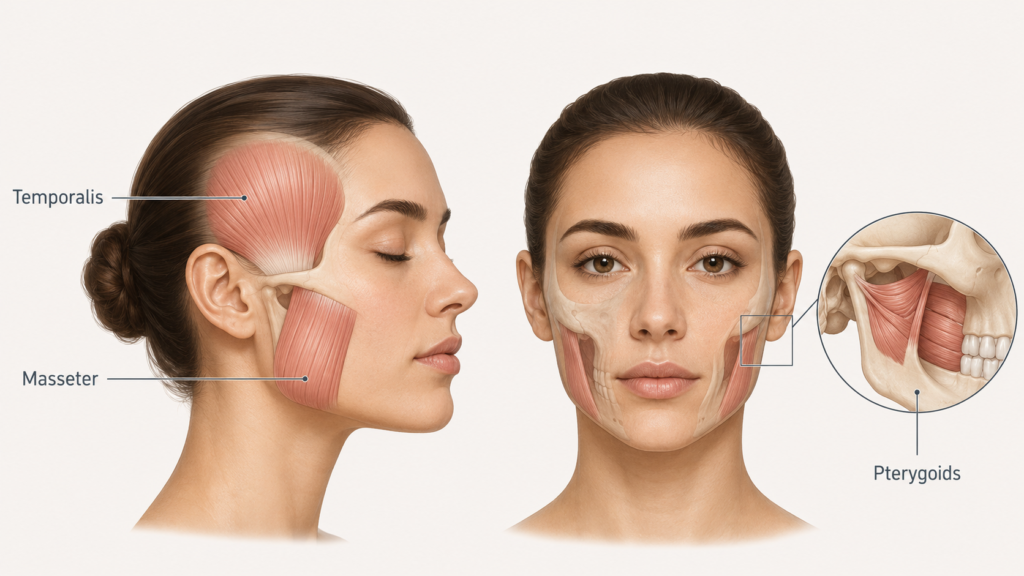
The muscles responsible for chewing and jaw movement include the masseter, temporalis, and pterygoid muscles. Because several of these structures lie deep within the jaw, working with them requires a detailed understanding of facial anatomy and careful technique. The anatomy of the muscles involved in jaw movement is described in detail in this NCBI Bookshelf overview of the temporomandibular joint and its associated muscles.
At Via Skincare in Los Angeles, buccal massage is approached as specialized manual therapy for the muscles and soft tissues of the jaw and face — not simply as a cosmetic facial technique.
And while the treatment can create visible changes in the face, its primary purpose is to address muscular tension and improve how the jaw and surrounding tissues feel and function. It is a muscular therapy that happens to have effects on the face.
What Are the Main Benefits of Buccal Massage?
The primary benefits are therapeutic, not aesthetic — and understanding that distinction will help you decide whether this is the right treatment for you.
Jaw pain and TMJ relief. For clients with TMJ dysfunction, chronic jaw tension, or pain from clenching and grinding, buccal massage addresses the muscular source of the problem directly. Manual therapy is among the nonsurgical approaches discussed by the National Institute of Dental and Craniofacial Research for certain TMD presentations.
Headache reduction. Many clients come in for headaches without realizing the jaw is involved. Trigger points in the masseter and temporalis refer pain into the temples, the eye socket, and the base of the skull — creating patterns that are frequently mistaken for tension or sinus headaches. Releasing those trigger points often reduces headache frequency and severity. We cover this in detail in TMJ Headaches, Jaw Clenching, and Bruxism: How They’re Connected and What Actually Releases Them.
Improved jaw mobility and range of motion. Clients with restricted jaw opening, clicking, or a jaw that deviates to one side often notice meaningful improvement after a series of sessions as the pterygoids and deep masseter begin to release.
Reduced facial tension. Not everyone who comes for buccal massage has jaw pain. Some people simply notice that they carry tension through their jaw, cheeks, or lower face. Working with these areas can create a noticeable sense of relaxation and softness. Clients often describe the face as feeling lighter or less “held” after treatment.
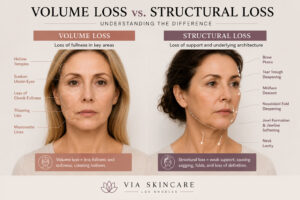
Secondary contouring effect in the lower face. Buccal massage can also have a visible effect on the lower face. When chronically tense muscles relax, the appearance of the jaw and lower face can change. The jaw angle softens. The tissue through the cheeks redistributes. The face may look less compressed, softer, and more rested. This is a real outcome — but it is a consequence of therapeutic work, not the treatment’s purpose.
If facial lifting and structural rejuvenation across the full face is your primary goal, our Reconstructive Facelift Massage is the treatment designed specifically for that.
If you are trying to choose between jaw-focused work and broader facial rejuvenation, read Buccal Massage for TMJ vs. Facial Sculpting: Which Is Right for You?
Who Is Buccal Massage For?
Buccal massage is particularly well suited for you if any of the following apply:
You have been diagnosed with TMJ dysfunction and are looking for a manual therapy approach that goes deeper than what physical therapy or dental treatment has offered so far.
You clench or grind your teeth—during the day, at night, or both—and experience jaw soreness, fatigue, or headaches as a result.
You carry tension in your jaw without a formal diagnosis. Stress finds the jaw reliably, and many people who have never been told they have TMJ are walking around with significantly overloaded masticatory muscles.
You experience headaches concentrated at the temples, behind the eyes, or at the base of the skull that have not fully responded to other treatments.
You notice a heaviness or fullness in your lower face and restricted or uncomfortable jaw movement that appears to be related to muscular tension.
Your jaw becomes tired from prolonged speaking, chewing, or stress.
You are post-dental procedure and are experiencing residual jaw tension or restricted opening from prolonged time with your mouth open.
You experience ear pain, fullness, or tinnitus that isn’t linked to an infection—referred pain from jaw muscles is a common and often-overlooked TMJ symptom.
For people with diagnosed TMJ disorders, buccal massage can sometimes be incorporated as part of a broader treatment plan, particularly when muscular tension is involved. It should not be considered a replacement for dental care, physical therapy, or medical evaluation when those are indicated.
Who Should Not Book a Buccal Massage?
Buccal massage is not appropriate for everyone.
You should postpone treatment if you have an active oral infection, open sores or wounds inside the mouth, an active cold sore, or significant unexplained oral pain.
Recent oral surgery, dental implant placement, extractions, or other dental procedures may also require a waiting period and clearance from your dentist before intraoral work.
A session should also be reconsidered if you are experiencing an acute flare of significant jaw pain, have a history of jaw dislocation, or have another condition affecting the jaw or oral cavity that has not been evaluated.
If you are pregnant or have any medical conditions affecting the jaw or oral cavity, a brief consultation call before booking is always welcome. We would rather take five minutes to advise you correctly than have you come in for a session that isn’t appropriate for where you are right now.
What Happens During a Buccal Massage Session at Via Skincare?
A session at Via Skincare in Los Angeles begins with a brief assessment. Before any hands-on work begins, we want to understand what brought you in — your jaw history, any relevant dental or medical context, and what you are hoping to get out of the session. This shapes how the work unfolds.
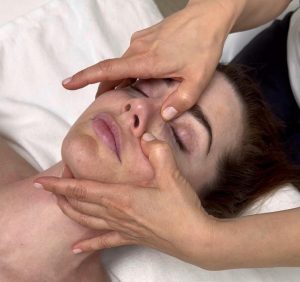
The session itself moves from external to internal. We begin with the neck, shoulders, and outer facial tissue — preparing the surrounding musculature and promoting circulation before moving deeper. This external preparation makes the intraoral work more effective and more comfortable.
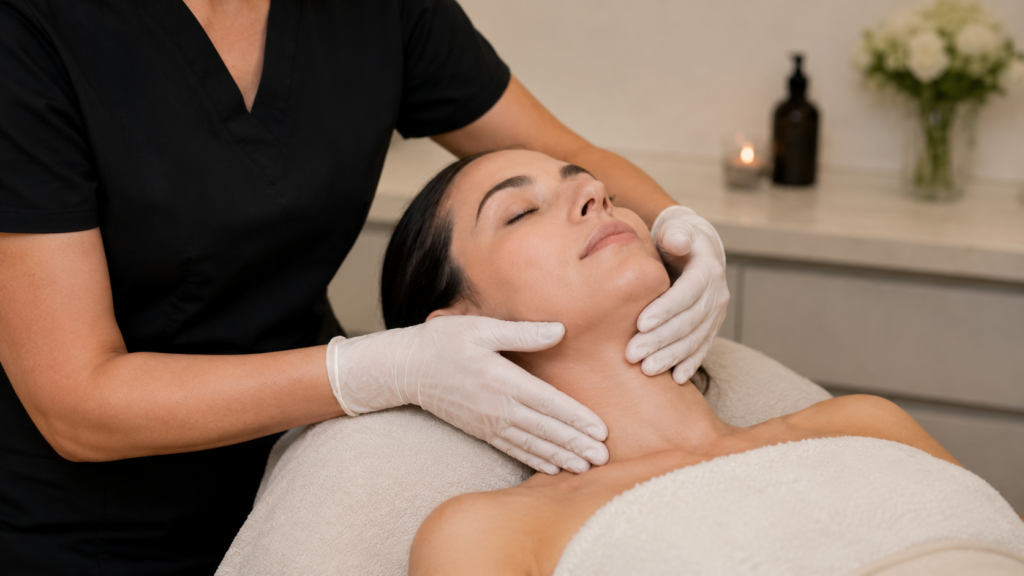
The intraoral component involves gloved hands working methodically through the cheek tissue, along the masseter, and into the pterygoid region. The therapist works with deliberate, sustained pressure — not rubbing or kneading, but targeted contact that identifies and addresses areas of significant tension.
The sensation varies considerably depending on how much tension is present. Areas of chronic holding can feel intense when first contacted — a deep pressure or tenderness that most clients describe as the distinct feeling of something that needed to be worked on. That intensity is followed, usually within seconds, by a release — a softening of the tissue and a marked reduction in the sensation. Most clients describe the overall experience as deeply relaxing, with moments of intensity in specific spots rather than sustained discomfort throughout.
Sessions are not templated. What happens on your first visit will be shaped by what your jaw actually presents, and subsequent sessions build on what the previous one established.
Is Buccal Massage Painful?
This is the question most first-timers have.
The honest answer is: some areas can be uncomfortable, particularly when there is significant muscular tension.
The sensation is different from a relaxing facial massage because we are working with deeper structures. You may notice pressure, tenderness, or a strong sensation in areas that are particularly tight. When a muscle has been chronically contracted for months or years, first contact with it produces a notable response. But intense pressure is not the goal, and you should never feel that you have to tolerate unnecessary pain for the treatment to be effective. We adjust the pressure throughout the session.
Many clients find that areas that initially feel sensitive become easier to work with as the tissue relaxes. Over a series of treatments, the experience may also become more comfortable as chronic tension decreases. Your comfort and feedback are always part of the treatment.
How Many Buccal Massage Sessions Do You Need?
There is no universal number of sessions because it depends on what you are trying to address.
Someone experiencing temporary facial tension may notice a difference after one treatment. Someone who has been clenching or grinding for years may need a series of sessions to work through an established pattern of muscular tension.
For clients coming specifically for jaw tension, we generally prefer to assess the response over several sessions rather than promising a particular result after one visit.
The goal is not simply to create a temporary feeling of relaxation. It is to see how the tissues respond over time and determine what level of maintenance, if any, makes sense for you.
How Is Via Skincare’s Approach Different?
Via Skincare introduced buccal massage to California in 2016. Our approach is rooted in therapeutic intention — we treat the masticatory muscles as the clinical structures they are, with attention to anatomy, technique sequencing, and what each client’s jaw specifically presents on that day.
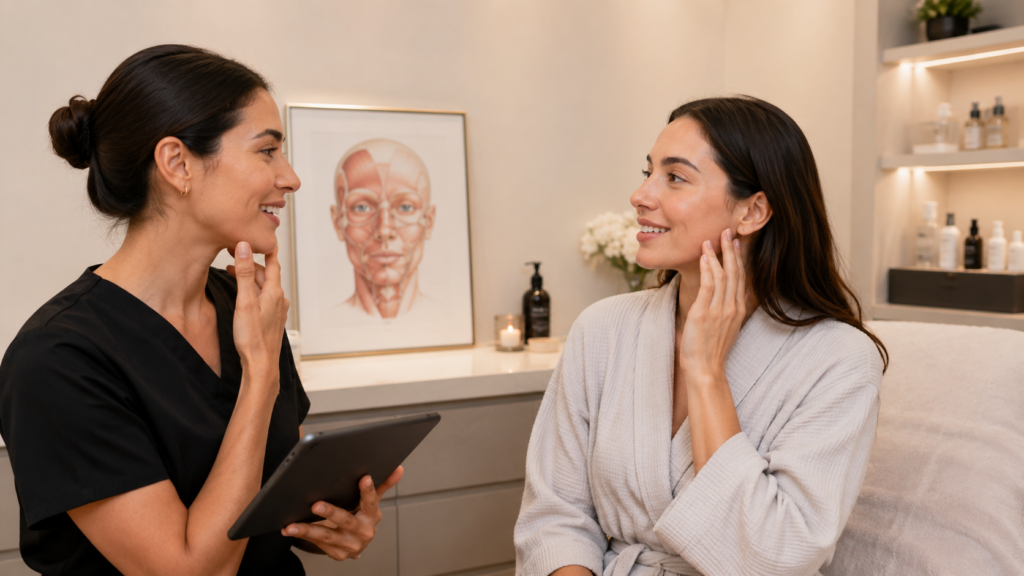
Sessions are not standardized protocols. The work is adapted to you — not to a fixed protocol applied to every client. The goal is to understand where you are holding tension and adapt the treatment accordingly.
For clients who want to address the jaw and facial muscles while also focusing on overall facial rejuvenation, the Reconstructive Facelift Massage incorporates buccal work within a broader facial massage methodology.
And for licensed professionals who want to learn the technique, our Advanced Buccal Massage Training goes deeper into anatomy, technique, sequencing, and hands-on application.
Frequently Asked Questions About Buccal Massage
Is buccal massage the same as a facial?
No. Buccal massage focuses specifically on the muscles and soft tissues of the jaw and face, including intraoral work. It is not a cosmetic facial treatment.
Can buccal massage help with TMJ?
Yes, it is helpful when muscular tension is a primary cause of TMJ dysfunction. However, TMJ disorders may also stem from other issues, including disc dislocation and arthritis, so it should not be considered a universal treatment for every TMJ condition.
Can I get a buccal massage if I wear a night guard?
Yes. A night guard and manual therapy serve different purposes. A night guard can help protect the teeth from the effects of grinding, while manual work may address muscular tension. One does not necessarily replace the other. If you use a prescribed dental appliance, continue following your dentist’s recommendations. You can also read Still Having TMJ Pain Despite Wearing a Night Guard? for a deeper explanation.
How long does a buccal massage session take?
The length depends on the treatment you book. At Via Skincare, buccal massage is available in different session lengths, allowing the treatment to be tailored to your needs and goals.
Will buccal massage change the shape of my face?
It can create a visible change in the appearance of the lower face, particularly when muscular tension is contributing to heaviness or compression.
Is buccal massage a natural facelift?
“Natural facelift” is a popular marketing term, but it can be misleading.
Buccal massage can produce a more relaxed, refreshed, and sometimes more defined appearance, particularly of the lower face. If your goal is comprehensive facial lifting and structural rejuvenation, a treatment specifically designed for that purpose is a better fit.
Ready to Book Your First Buccal Massage in Los Angeles?
Via Skincare is located in Studio City/Toluca Lake, Los Angeles. Book a session and experience what it means to work on the jaw from the inside out.
If you’d like to go deeper before booking, these posts cover the clinical and therapeutic detail behind the work:
Still Having TMJ Pain Despite Wearing a Night Guard? — how jaw tension and clenching can persist even when you wear a night guard.
TMJ Headaches, Jaw Clenching, and Bruxism: How They’re Connected and What Actually Releases Them — a deeper look at the relationship between jaw tension and head pain.
What Buccal Massage Actually Does — And Why “Natural Facelift” Misses the Point — on the mechanism behind the treatment and the distinction between its therapeutic and aesthetic dimensions.
For clear answers about facelift claims, skin stretching, and treatment expectations, read 5 Things People Get Wrong About Buccal Massage.
Questions? Contact us — we’re happy to help you figure out whether this is the right starting point for what you’re dealing with.


Pingback: Buccal Massage for TMJ vs Facial Sculpting | Via Skincare
Pingback: Buccal Massage: 5 Myths Explained | Via Skincare